Questions to Better Frame Up 2026 at Work
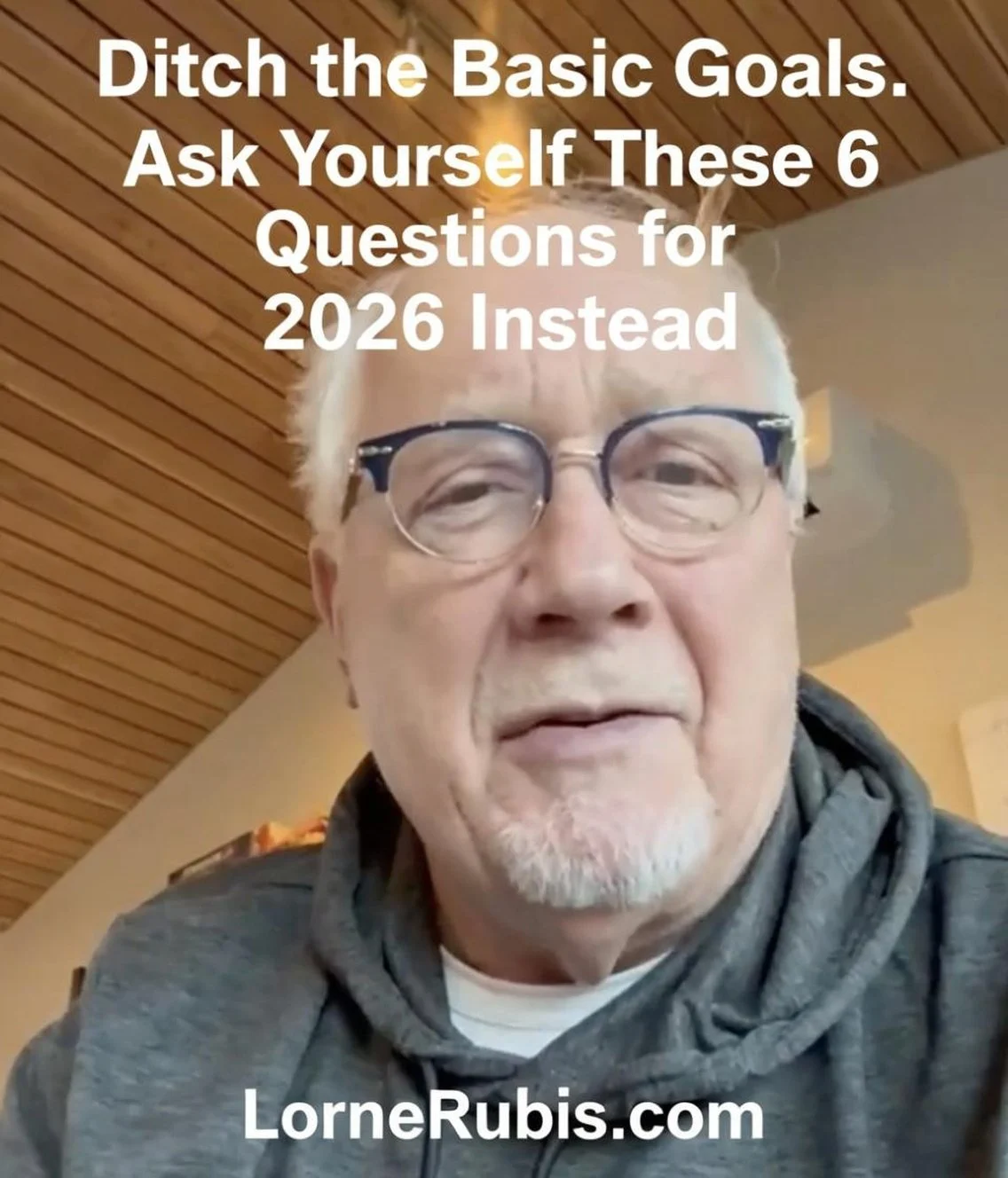
As much as we love writing blogs, perhaps it makes more sense in 2026 if we just speak to you directly about these topics. Click on this link, follow, and let us know how you like the pivot.
We’ll provide the blog in text form too, here it is:
What if planning for 2026 at work was less about rigid objectives, and more about understanding what makes you feel alive, capable, and in control? Inspired by a New Year's reflection in the New York Times, I've tweaked six powerful questions for our professional lives.
The 6-Question Framework for a Better 2026
When did work feel light, even joyful? Be specific. What were you doing? Conversely, what task consistently feels like an energy vampire?
What "impossible" thing did you pull off? Name that project that made you doubt yourself at the start. You did it. What did that teach you?
What's your one high-impact habit? If you did just one thing more consistently, what would transform your work life? (Hint: It's often small).
Where did you waste energy trying to control the uncontrollable? Admitting this is the first step to getting that energy back.
Who can you forgive? It’s not for them. It’s to release the bitterness you carry.
Who’s taking up space in your head rent-free?
This isn't navel-gazing. It's tactical:
Chase energy, not just titles. Fulfilling work often leads to advancement naturally.
Your comfort zone is a ceiling. Those scary projects build the confidence you can't fake.
Your habits are your brand. Build them intentionally.
Focus is a superpower. Direct it only to what you can influence.
Forgiveness frees us. It clears mental clutter that holds you back.
Use your answers to build resolutions that are truly yours. Promotions depend on others; your growth depends only on you. Make 2026 the year you design a work life that energizes you from the inside out.
Think Big. Start Small. Act Now.
- Lorne
Garrett’s View: I think we have the extreme ownership and accountability to make some serious strides in 2026. Happy New Year with the utmost of clarity, purpose and positive direction.
- Garrett
AI Response: This approach is statistically sound: Gallup finds that employees who use their strengths daily are six times more engaged, while the American Psychological Association highlights that workplace stress, often from uncontrollable factors, costs the U.S. economy over $500 billion annually. Furthermore, a study in the Journal of Occupational Health Psychology confirms that forgiving workplace transgressions significantly reduces psychological strain, and research from Duke University underscores that small, consistent habits—not grand gestures—account for around 40% of our daily behaviors, directly shaping professional outcomes. Your framework channels these evidence-based principles into actionable strategy.
Search Blog Posts:
Categories
Month
- October 2026
- September 2026
- August 2026
- July 2026
- June 2026
- May 2026
- April 2026
- March 2026
- February 2026
- January 2026
- December 2025
- November 2025
- October 2025
- September 2025
- August 2025
- July 2025
- June 2025
- May 2025
- April 2025
- March 2025
- February 2025
- January 2025
- December 2024
- November 2024
- October 2024
- September 2024
- August 2024
- July 2024
- June 2024
- May 2024
- April 2024
- March 2024
- February 2024
- January 2024
- December 2023
- November 2023
- October 2023
- September 2023
- August 2023
- July 2023
- June 2023
- May 2023
- April 2023
- March 2023
- February 2023
- January 2023
- December 2022
- November 2022
- October 2022
- September 2022
- August 2022
- July 2022
- June 2022
- May 2022
- April 2022
- March 2022
- February 2022
- January 2022
- December 2021
- November 2021
- October 2021
- September 2021
- August 2021
- July 2021
- June 2021
- May 2021
- April 2021
- March 2021
- February 2021
- January 2021
- December 2020
- November 2020
- October 2020
- September 2020
- August 2020
- July 2020
- June 2020
- May 2020
- April 2020
- March 2020
- February 2020
- January 2020
- December 2019
- November 2019
- October 2019
- September 2019