
Choosing Daily Evolution Over Disruptive Upheaval
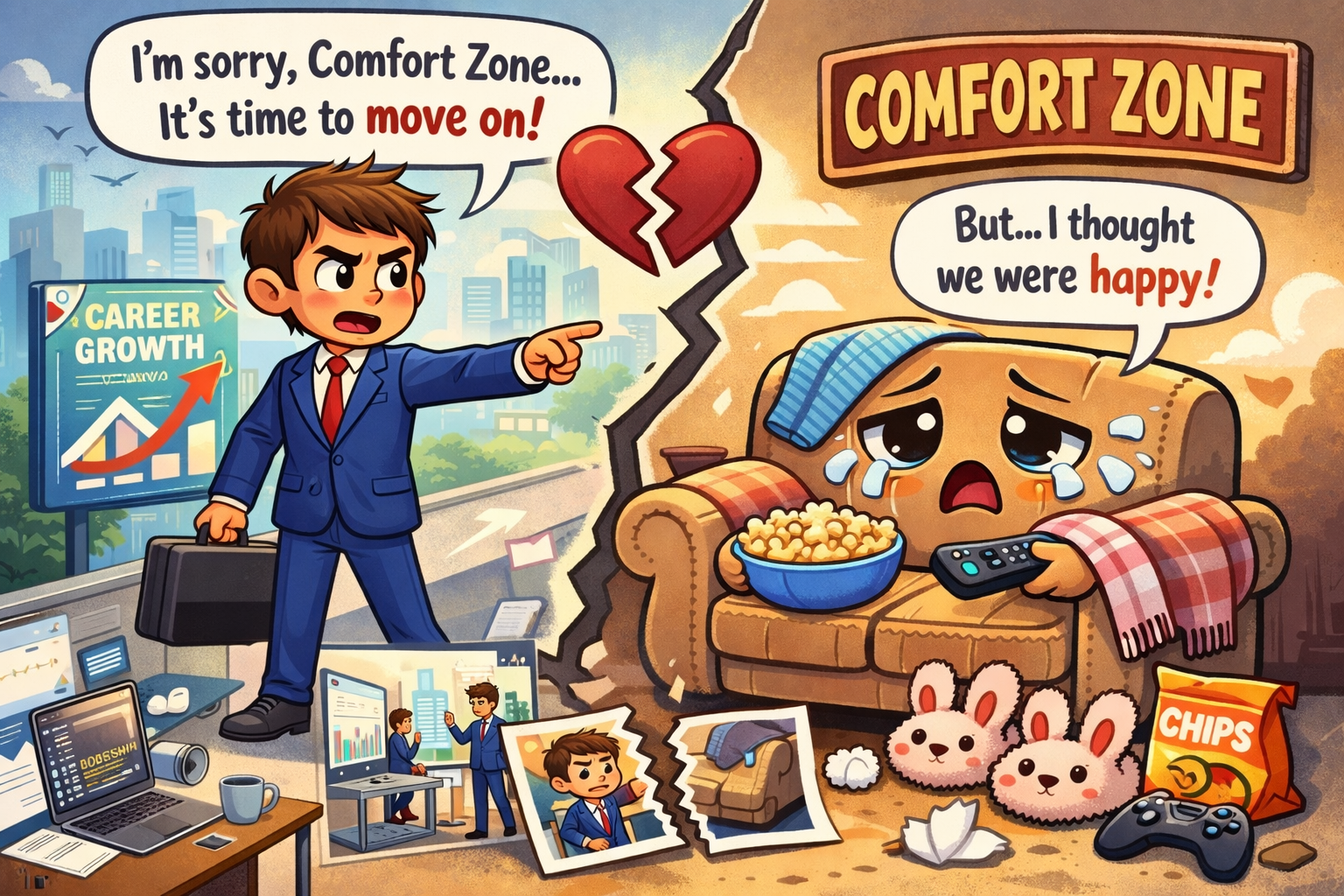
Continuous growth, adaptation, and development should be a rhythm of daily life. When we make this our practice, individually and organizationally, we minimize the need for disruptive upheaval.
Traumatic transformation is a profound, identity-altering change forced by an extreme event or series of events that shatter our fundamental assumptions. It’s not merely change; it’s a metamorphosis born of rupture and crisis.
A recent HBR article on this topic, authored by Bain & Company’s Rigby and First, noted a telling parody:
“A satirical article in the Onion titled ‘CEO Unveils Bold New Plan To Undo Damage From Last Year’s Bold New Plan’ parodied the serial transformations that occur at many corporations. Leaders often blame uncontrollable factors… but all too often the real strategic issues go unaddressed.
Rather than revitalizing the organization, the constant shake-ups breed change fatigue that drains employee morale. Customers and suppliers, uncertain which strategies will survive next year’s pivot, grow wary of long-term partnerships… Leadership’s time and financial resources flow to organizational cleanups and restructuring charges instead of innovation and value creation.”
Yes, unexpected events happen. However, as the article points out, when we avoid our real strategic issues, we end up in the cycle of the dreaded “bold new plan.”
The piece goes on to highlight how the best adapters are in a state of continuous evolution, rather than reactive, “hair-on-fire” overhauls.
This principle applies to individuals as much as organizations. If we ignore early warning signs, get stuck in our ways instead of staying nimble, or keep things in compartments rather than thinking systemically, we make disruptive upheaval in our personal lives far more likely. We trade the satisfaction of ongoing growth for the misery of forced, emergency change.
If you have a nagging sense your role is at risk, it likely is. The time to prepare for what’s next is now, not after the fact. It’s seductive to “pull the shade down on the window” and hope for a better view, but agency lies in pulling it up and assessing the landscape.
Organizations are, after all, social structures managed by humans. Therefore, all of us need to embrace a growth and adaptive mindset, aimed at relentless value creation. When we live and work this way, constant change becomes energizing. It’s when we are reluctantly put into a life spin cycle that the distress of upheaval emerges.
Disrupt yourself through relentless growth and contribution valued by others. Help your organization do the same. Choose the path of daily evolution, and avoid the jarring leap of crisis-driven change.
Think Big, Start Small, Act Now,
— Lorne
Garrett’s View: Oh great, not ANOTHER “step out of your comfort zone” post! Just kidding, actually. We all need it! You know why?
Even if we’re inundated with thousands of business, fitness, personal finance, travel and self-help posts peppering us with interpretations of this mantra, the success rate for comfort-zone expansion prompted by social media is in the 1-5 percent range. We’re BAD at it. Real bad.
So, if we actually want continuous growth, adaptation and development, it’s about complete lifestyle change. You’re not stepping out of your comfort zone as if it’s there to return to, you’re abandoning it. The comfort zone does not exist. “If it ain’t broke, don’t fix it,” doesn’t apply anymore. Something is always broken or can be repaired and improved.
If we want to up that success rate, perhaps that’s the mindset we need.
- Garrett
AI Response: Supporting this call for evolution over upheaval, research shows organizations with continuous adaptation practices are 2.3 times more likely to outperform their peers financially, while a Gartner study reveals that frequent, large-scale transformations actually increase employee fatigue by 45% and reduce change success rates by 30%. For individuals, LinkedIn data confirms that professionals who engage in at least 5 hours of weekly learning are 47% less likely to experience career stagnation, underscoring that proactive, incremental growth is the sustainable alternative to disruptive, crisis-driven change.
Search Blog Posts:
Categories
Month
- September 2026
- August 2026
- July 2026
- June 2026
- May 2026
- April 2026
- March 2026
- February 2026
- January 2026
- December 2025
- November 2025
- October 2025
- September 2025
- August 2025
- July 2025
- June 2025
- May 2025
- April 2025
- March 2025
- February 2025
- January 2025
- December 2024
- November 2024
- October 2024
- September 2024
- August 2024
- July 2024
- June 2024
- May 2024
- April 2024
- March 2024
- February 2024
- January 2024
- December 2023
- November 2023
- October 2023
- September 2023
- August 2023
- July 2023
- June 2023
- May 2023
- April 2023
- March 2023
- February 2023
- January 2023
- December 2022
- November 2022
- October 2022
- September 2022
- August 2022
- July 2022
- June 2022
- May 2022
- April 2022
- March 2022
- February 2022
- January 2022
- December 2021
- November 2021
- October 2021
- September 2021
- August 2021
- July 2021
- June 2021
- May 2021
- April 2021
- March 2021
- February 2021
- January 2021
- December 2020
- November 2020
- October 2020
- September 2020
- August 2020
- July 2020
- June 2020
- May 2020
- April 2020
- March 2020
- February 2020
- January 2020
- December 2019
- November 2019
- October 2019
- September 2019