
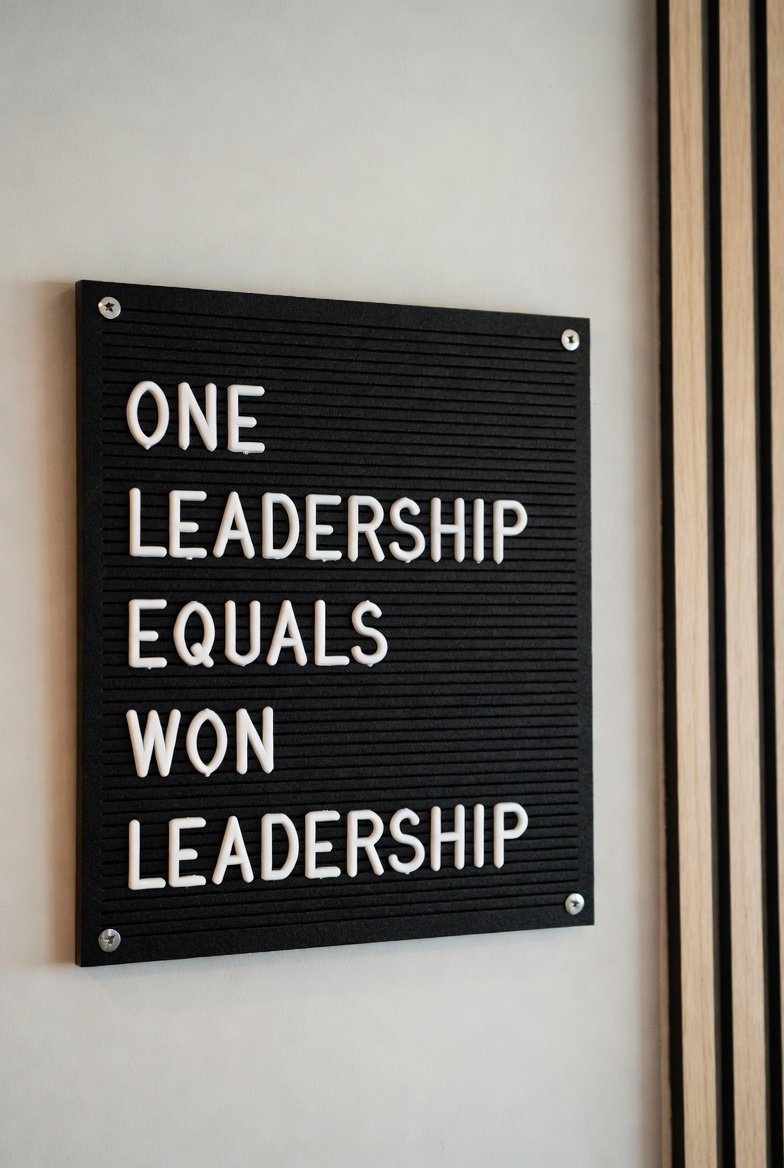
One Leadership = Won Leadership
How well do you truly know the people on your team?
I occasionally ask my Harvard class a simple question. I give them five minutes to write down what they really know about the people who report to them. The goal is to outline how they can help those individuals grow and thrive.
This includes:
Understanding their aspirations
Identifying their best ways of receiving 1:1 coaching
Knowing appropriate levels of personal information
When we explore their answers, a common theme emerges: a lot of blank spaces.
It’s a revealing moment. How can we effectively lead if we haven't taken the time to really know who we have working for us?
The Gardener, Not the Wringer
Simon Sinek makes this point brilliantly. He says people are not like dishrags, where our goal is to try to wring the best out of them.
Rather, great (not perfect) leaders are like gardeners. They don't force growth; they create the conditions for it. They focus on fostering an environment where their people can naturally flourish.
There’s No One-Size-Fits-All
A gardener knows that roses, tomatoes, and succulents all need different care. Your team is the same.
Feedback: Some team members appreciate daily feedback, others prefer monthly check-ins.
Guidance: Some are best guided with detailed instructions, others work better with creative freedom.
Ideation: Some love collaborative brainstorming, while others do their best thinking alone.
Of course, this is situational. The same person might require a different approach based on the context. It’s always a continuum.
The Irony of Effective Leadership
Here’s the powerful paradox: effective leadership has an inverse relationship to command-and-control, "boss" behavior.
True leadership is about serving others. It’s based on deep care and consideration for those we have the privilege to lead.
Let me be clear: this does NOT mean pandering, lowering expectations, or fake niceness. It actually involves the highest standards of excellence, starting with the leader themselves.
If you expect people to learn, be the best learner.
If you want work done well, do your best work as an example.
If you expect clarity as kindness, be clear about your expectations.
Start Here: Get to Know the Individual
So, where do you begin? It starts with a conversation.
Ask your team members:
When do you do your best work?
How do you prefer to communicate?
What support do you need to succeed?
What kind of feedback helps you grow?
What do you want me to know about your personal life?
What motivates you? What freaks you out?
It's about adapting to help each person thrive. Instead of treating everyone equally, treat them individually.
One Leadership = Won Leadership.
Think Big, Start Small, Act Now.
P.S. Not sure how to start these conversations? That’s exactly why we created Belongify Connect—as one, accessible, important step in the journey to really get to know each other. Have you tried it yet?
Garrett’s View: If someone wants to completely separate their work and personal life, or guard themselves to a point where they’re unwilling to share or learn about their employers, teammates, and organization, then it’s fair to question how serious they are about their position and career.
- Garrett
AI Response: This insight is powerfully supported by data; Gallup research reveals that managers who fail to connect with their employees on a personal level have teams with 20% lower productivity and a 41% higher absenteeism rate. Furthermore, a pivotal study from the Harvard Business Review found that a primary driver of employee burnout isn't the workload itself, but a lack of support and connection from their direct leader. This underscores that "gardening" isn't just a metaphor—it's a strategic imperative, as teams with high employee engagement are 21% more profitable, proving that knowing your people individually is the ultimate competitive advantage that turns "One Leadership" into "Won Leadership."
Search Blog Posts:
Categories
Month
- October 2026
- September 2026
- August 2026
- July 2026
- June 2026
- May 2026
- April 2026
- March 2026
- February 2026
- January 2026
- December 2025
- November 2025
- October 2025
- September 2025
- August 2025
- July 2025
- June 2025
- May 2025
- April 2025
- March 2025
- February 2025
- January 2025
- December 2024
- November 2024
- October 2024
- September 2024
- August 2024
- July 2024
- June 2024
- May 2024
- April 2024
- March 2024
- February 2024
- January 2024
- December 2023
- November 2023
- October 2023
- September 2023
- August 2023
- July 2023
- June 2023
- May 2023
- April 2023
- March 2023
- February 2023
- January 2023
- December 2022
- November 2022
- October 2022
- September 2022
- August 2022
- July 2022
- June 2022
- May 2022
- April 2022
- March 2022
- February 2022
- January 2022
- December 2021
- November 2021
- October 2021
- September 2021
- August 2021
- July 2021
- June 2021
- May 2021
- April 2021
- March 2021
- February 2021
- January 2021
- December 2020
- November 2020
- October 2020
- September 2020
- August 2020
- July 2020
- June 2020
- May 2020
- April 2020
- March 2020
- February 2020
- January 2020
- December 2019
- November 2019
- October 2019
- September 2019