
The Kindness We Carry: A Choice for Leaders
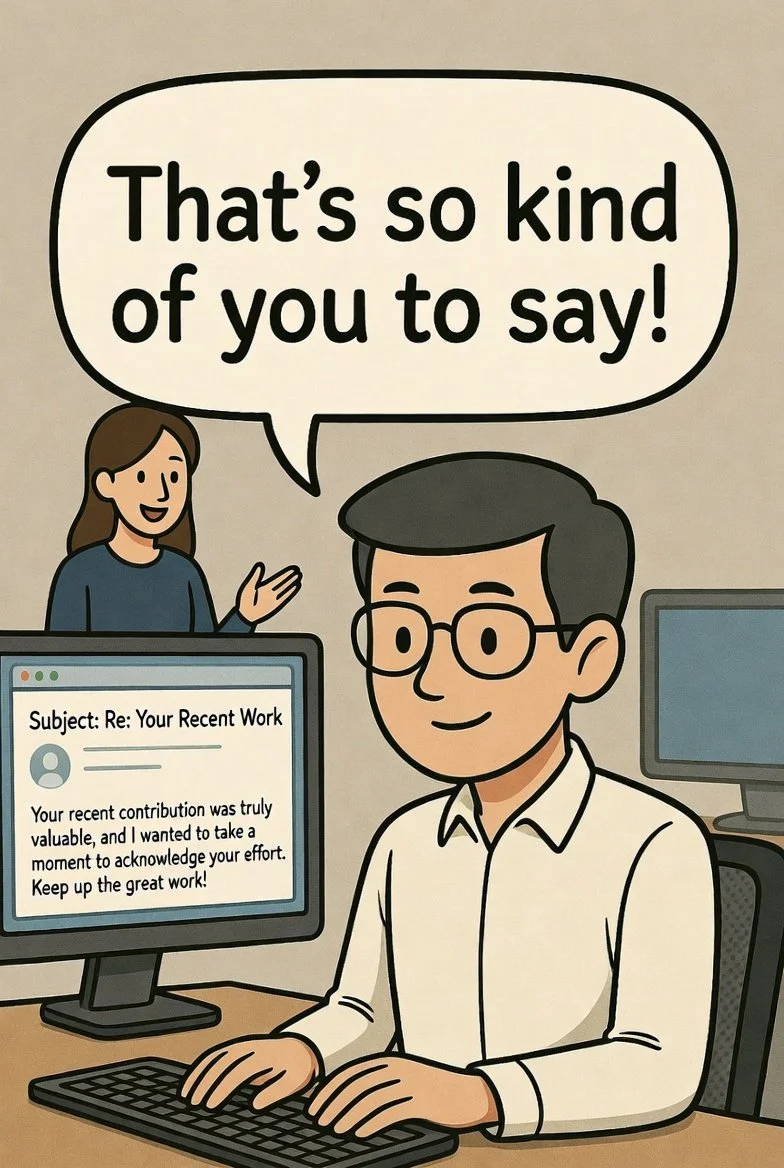
Leadership sets the tone in every institution. The way we treat each other while getting things done is the clearest demonstration of what we truly believe.
In a memorable commencement address, author George Saunders shared a truth he called “a little corny” but undeniable: “What I regret most in my life are failures of kindness.” This reflection cuts to the core of our professional lives, especially for those in leadership.
Leaders make tough choices daily that impact other humans. In doing so, they consciously or unconsciously choose where to stand on a continuum between kindness and cruelty.
While our readers understand cruelty, it’s vital to recognize its specific, harmful patterns in the workplace: intentional actions - from verbal bullying and professional sabotage to social ostracism and discriminatory practices - that cause psychological or physical harm. These behaviors create severe human and organizational costs, including burnout, turnover, and a profound erosion of trust.
Yet, while cruelty depletes us, kindness completes us.
This isn’t a weak or mushy notion. As Saunders suggests, the moments that haunt us are often failures of kindness, while the people we remember most fondly are those who were kindest to us. The irony is that kindness, often seen as soft, is also the robust, long-term choice for our self-interest. Cruelty, unless we are unwell, tends to haunt the perpetrator. Kindness heals everyone it touches.
The workplace is a daily proving ground for this choice. We understand the difficulty of hard decisions and the human frailty that invites cruelty when we hold power. Still, it remains a choice.
The most effective leaders hurry that process of becoming kinder along, starting now.
Think Big, Start Small, Act Now,
- Lorne
Garrett’s View: Unfortunately, I don’t think there’s anything less marketable or inauthentic than blanketed kindness, so it needs to be intentional. I believe we need to strive for kindness through confidence. Earn the self-assurance to not revel in the mistreatment or belittlement of others, and achieve kindness through your positive actions, demeanor, and contributions. We cannot expect kindness for just existing. We also cannot abandon self-accountability and label constructive criticism as cruelty, which we tend to do when receiving unfavorable feedback. When you’re genuine, considerate, and bringing your best self, you’ll be a beacon of kindness, and less derailed when faced with inevitable friction or criticism.
- Garrett
AI Response: Intentional kindness is a strategic leadership asset, not a blanket endorsement of poor performance: research from Harvard Business School shows that leaders who demonstrate compassion see their teams as more collaborative and loyal, while a study in the Journal of Applied Psychology found that acts of kindness create contagion, boosting well-being and reducing turnover. Conversely, workplace incivility, like bullying, costs companies billions in lost productivity and absenteeism according to the Workplace Bullying Institute. Thus, choosing kindness is an evidence-based, robust leadership strategy that fosters resilience and results, fully compatible with providing authentic, accountable feedback.
Search Blog Posts:
Categories
Month
- October 2026
- September 2026
- August 2026
- July 2026
- June 2026
- May 2026
- April 2026
- March 2026
- February 2026
- January 2026
- December 2025
- November 2025
- October 2025
- September 2025
- August 2025
- July 2025
- June 2025
- May 2025
- April 2025
- March 2025
- February 2025
- January 2025
- December 2024
- November 2024
- October 2024
- September 2024
- August 2024
- July 2024
- June 2024
- May 2024
- April 2024
- March 2024
- February 2024
- January 2024
- December 2023
- November 2023
- October 2023
- September 2023
- August 2023
- July 2023
- June 2023
- May 2023
- April 2023
- March 2023
- February 2023
- January 2023
- December 2022
- November 2022
- October 2022
- September 2022
- August 2022
- July 2022
- June 2022
- May 2022
- April 2022
- March 2022
- February 2022
- January 2022
- December 2021
- November 2021
- October 2021
- September 2021
- August 2021
- July 2021
- June 2021
- May 2021
- April 2021
- March 2021
- February 2021
- January 2021
- December 2020
- November 2020
- October 2020
- September 2020
- August 2020
- July 2020
- June 2020
- May 2020
- April 2020
- March 2020
- February 2020
- January 2020
- December 2019
- November 2019
- October 2019
- September 2019