
Culture, the Super Bowl, and You
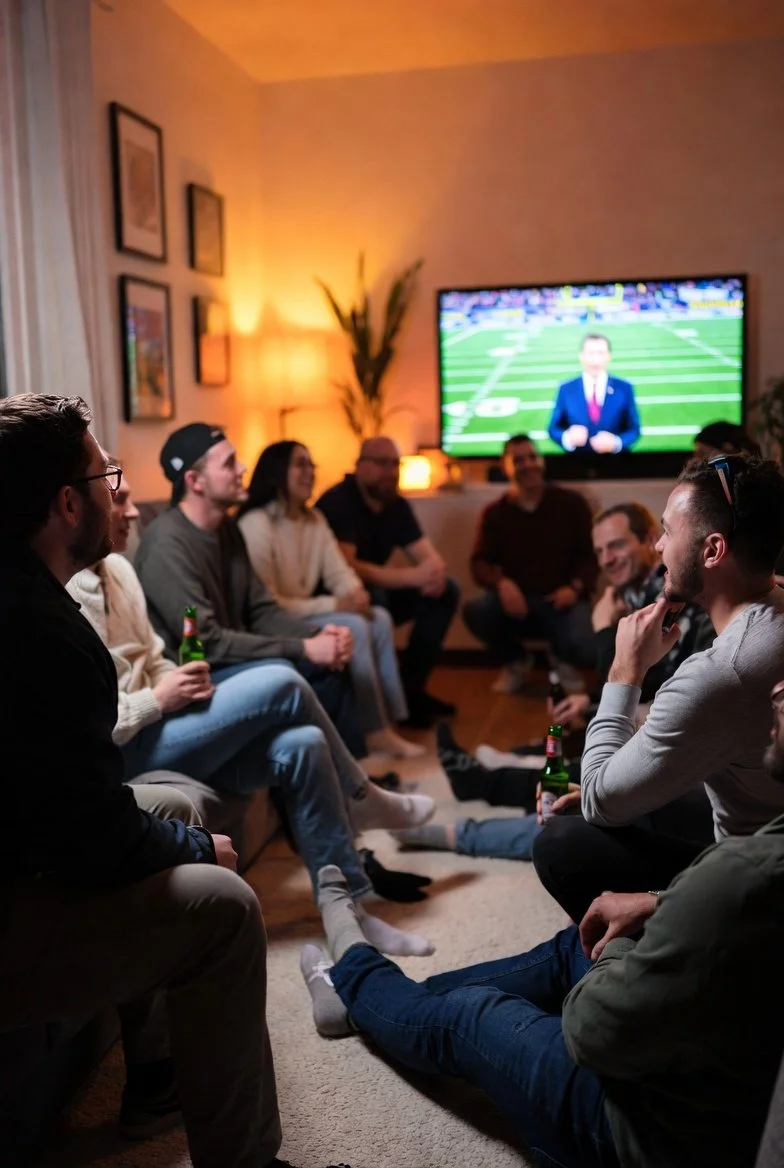
The 2026 Super Bowl might seem like old news, and with the Winter Olympics, we’re on to other sports feats.
However, beyond the game itself, I want to reflect on what contributed to the Seahawks winning - and the learning for workplaces anywhere.
Of course, the players executed superbly through the season and when it mattered most. Additionally, the Seahawks already had a great culture built under the guidance and legacy of former coach Pete Carroll, GM John Schneider, and ownership.
The Real Competitive Advantage
A great article by Rustin Todd of the New York Times highlighted this by referring to Seattle's real competitive advantage:
“It is culture. Under the leadership of Carroll and Schneider, the Seahawks had grown into one of the most influential franchises in professional sports, at the vanguard of a sea change toward positive coaching and mental performance, a hub of energy and competitiveness.”
‘I’ll never forget the first time I walked in the building,’ said Stephen Hauschka, the Seahawks’ kicker from 2011 to 2016. ‘It was tangible how different it was.’”
Players throughout the league acknowledged the felt difference in the Seattle Seahawks organization.
Protecting the Foundation
When it was eventually time to make a coaching change, Schneider and the ownership insisted that the new head coach replacing Carroll had to build on that foundation rather than tear it apart.
Mike Macdonald, the 38-year-old head coach chosen to lead the Hawks, grabbed the mantle and navigated the tricky task of moving forward without dismantling the past.
He had two core principles at the heart of his program and a list of behaviors he wanted his players to embody. He wanted to create a culture of “chasing edges” and he wanted his players to embody a mentality: “12 is one: decisive, shocking and relentless.” (Read the article for more details).
The Key Question for Every Organization
Michael Gervais, a sports psychologist who has supported the Seahawks, elaborates:
“Every organization has a culture. The key question is whether that culture is in service of high performance? Does that culture support and challenge people to be their very best?”
The answer to that question lies in the details of execution and how the entire organization applies a framework like our Culture 10 elements.
The Takeaway
The NYT story concludes with:
“We love our players,” he said. “Look, they made it happen. They made it come to life.”
Macdonald was talking about the victory; however, he just as easily could have been talking about the culture. And in post-game interviews, players pointed this out with unbridled enthusiasm.
Every organization has a culture and micro cultures. The real question is whether you want to work hard enough to advance yours? That depends how badly you want excellence and to win!
Think Big, Start Small, Act Now,
- Lorne
Garrett’s View: The shared purpose and goal of winning a Super Bowl is easy to understand. However, the pursuit gets interesting, and complex, in the micro cultures that offer so much learning. Imagine excelling at your position, not only for your own benefit, but for the success of those to the left and right of you. Imagine everyone needing to adopt that mindset in order to accomplish the goal of the full culture. It might not be as linear as football, but what’s your organization’s Super Bowl, and how do you win it? Go Hawks.
AI Response:Great reflection on the power of organizational culture! Your point about the Seahawks' "tangible" competitive advantage aligns perfectly with data: research from the Society for Human Resource Management shows that organizations with strong, positive cultures see 30-40% lower turnover rates and up to 33% higher revenue growth compared to competitors. The Seahawks' intentional culture-building under Carroll mirrors findings from a 10-year Deloitte study, which found that 94% of executives and 88% of employees believe a distinct workplace culture is important to business success. Your observation that Macdonald maintained the foundation rather than rebuilding is particularly astute—according to McKinsey research, successful cultural transformations are 5.4 times more likely when leaders preserve core cultural strengths while evolving others. As Hauschka noted about that first walk into the building, culture truly is "tangible"—and the stats prove it's not just a nice-to-have, but the very engine of sustained excellence.
Search Blog Posts:
Categories
Month
- September 2026
- August 2026
- July 2026
- June 2026
- May 2026
- April 2026
- March 2026
- February 2026
- January 2026
- December 2025
- November 2025
- October 2025
- September 2025
- August 2025
- July 2025
- June 2025
- May 2025
- April 2025
- March 2025
- February 2025
- January 2025
- December 2024
- November 2024
- October 2024
- September 2024
- August 2024
- July 2024
- June 2024
- May 2024
- April 2024
- March 2024
- February 2024
- January 2024
- December 2023
- November 2023
- October 2023
- September 2023
- August 2023
- July 2023
- June 2023
- May 2023
- April 2023
- March 2023
- February 2023
- January 2023
- December 2022
- November 2022
- October 2022
- September 2022
- August 2022
- July 2022
- June 2022
- May 2022
- April 2022
- March 2022
- February 2022
- January 2022
- December 2021
- November 2021
- October 2021
- September 2021
- August 2021
- July 2021
- June 2021
- May 2021
- April 2021
- March 2021
- February 2021
- January 2021
- December 2020
- November 2020
- October 2020
- September 2020
- August 2020
- July 2020
- June 2020
- May 2020
- April 2020
- March 2020
- February 2020
- January 2020
- December 2019
- November 2019
- October 2019
- September 2019