
Emotional Health vs. Mental Health: A Leader’s Practical Guide
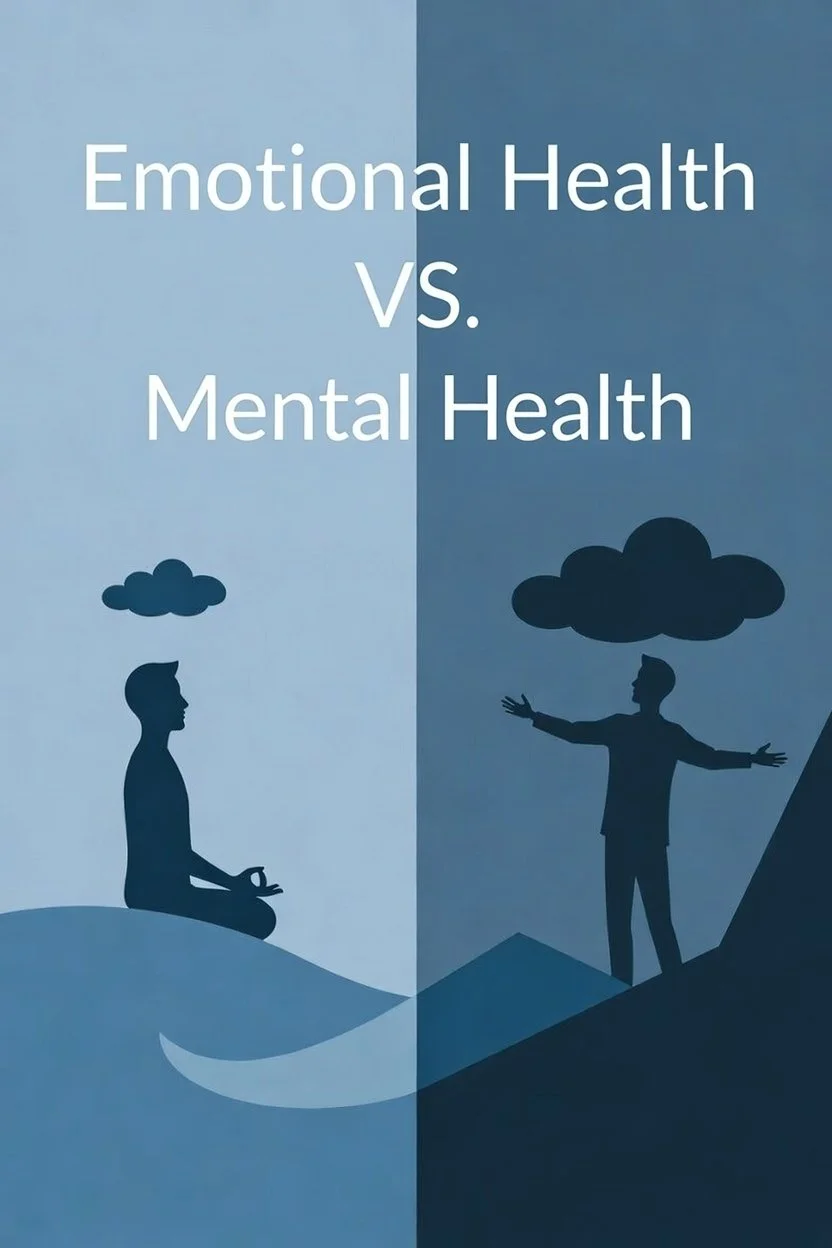
Mental health is the operating system. Emotional health is the user interface.
Janice Taylor, founder of AI-driven Wilson4Q, leans into the power of emotional health and distinguishes it from mental health. So, what’s the difference?
Mental Health: The Operating System
The broader, comprehensive category encompassing our cognitive, psychological, and social well-being.
Focus: Thoughts, brain function, beliefs, overall psychological state.
Scope: How we process information, make decisions, handle stress, relate to others, and perceive the world.
Examples: Depression, anxiety disorders, bipolar disorder, PTSD.
Analogy: The operating system of a computer. It manages all processes, memory, and basic functions.
Emotional Health: The User Interface
A crucial subset of mental health. It focuses specifically on our awareness, understanding, and management of emotions.
Focus: Feelings, emotional awareness, resilience.
Scope: How we recognize, express, and regulate emotions like joy, anger, sadness, and fear.
Key Skills: Emotional intelligence, self-regulation, empathy.
Analogy: The user interface and applications. It’s how we interact with and experience the system.
A Simple Example: Harsh Criticism at Work
Emotional Health Response:
You feel frustration and anger. Good emotional health means you recognize these feelings, don’t suppress them, and take a walk to cool down before responding.
Mental Health Response:
This involves broader thought patterns. Poor mental health might trigger a spiral: "I'm a failure." Good mental health allows you to contextualize the feedback and problem-solve a way forward.
In short:
Mental health is the umbrella term for your overall psychological well-being.
Emotional health is a critical pillar under that umbrella, dealing specifically with your relationship to your feelings.
Why This Matters for Leaders
Taylor’s research reinforces that focusing on emotional fitness is a powerful, manageable entry point for organizations, compared to the overwhelming scope of "mental health."
What Can Organizations Do?
Invest in Leadership Capability.
People leave managers more than companies. Leaders must model emotional well-being as a core competence.Make Emotional Health a Leadership KPI.
Include metrics like team psychological safety, burnout risk, and retention in scorecards. Tie a portion of management bonuses to these health metrics.Train Managers in Support, Not Therapy.
Equip them to recognize signs of struggle, have supportive conversations, and refer to professional resources (like EAP). Their role is to be a conduit, not a counselor.Provide Coaching for Leaders.
Executive coaching focused on emotional regulation, empathy, and psychological safety is a high-leverage investment.
I’m investing in personally learning more through Janice and Wilson4Q. (Note: I am not commercially involved).
Think Big, Start Small, Act Now
- Lorne
Garrett’s View: According to sources from the American Psychological Association (APA), National Alliance on Mental Illness (NAMI), McKinsey, plus more federal agencies and market research firms, the industry of therapy and mental health is projected to generate more than $150 billion in annual revenue in 2026. If we take one glimpse into the rants and raves on social media, for example, do we think all that money spent is helping a lot of people? We’re mentally out of shape, and I think investing in emotional fitness could be a healthy step in a positive direction.
- Garrett
AI Response: Janice Taylor's analogy powerfully frames the distinction, and the organizational focus on emotional health is indeed crucial: research by Gallup shows managers account for at least 70% of the variance in team engagement, while a study in Harvard Business Review found that leaders who demonstrate high emotional intelligence foster teams with 74% less stress and 31% higher productivity, underscoring why making emotional health a leadership KPI is a strategic imperative.
Search Blog Posts:
Categories
Month
- September 2026
- August 2026
- July 2026
- June 2026
- May 2026
- April 2026
- March 2026
- February 2026
- January 2026
- December 2025
- November 2025
- October 2025
- September 2025
- August 2025
- July 2025
- June 2025
- May 2025
- April 2025
- March 2025
- February 2025
- January 2025
- December 2024
- November 2024
- October 2024
- September 2024
- August 2024
- July 2024
- June 2024
- May 2024
- April 2024
- March 2024
- February 2024
- January 2024
- December 2023
- November 2023
- October 2023
- September 2023
- August 2023
- July 2023
- June 2023
- May 2023
- April 2023
- March 2023
- February 2023
- January 2023
- December 2022
- November 2022
- October 2022
- September 2022
- August 2022
- July 2022
- June 2022
- May 2022
- April 2022
- March 2022
- February 2022
- January 2022
- December 2021
- November 2021
- October 2021
- September 2021
- August 2021
- July 2021
- June 2021
- May 2021
- April 2021
- March 2021
- February 2021
- January 2021
- December 2020
- November 2020
- October 2020
- September 2020
- August 2020
- July 2020
- June 2020
- May 2020
- April 2020
- March 2020
- February 2020
- January 2020
- December 2019
- November 2019
- October 2019
- September 2019