
Use the C-Word at Work
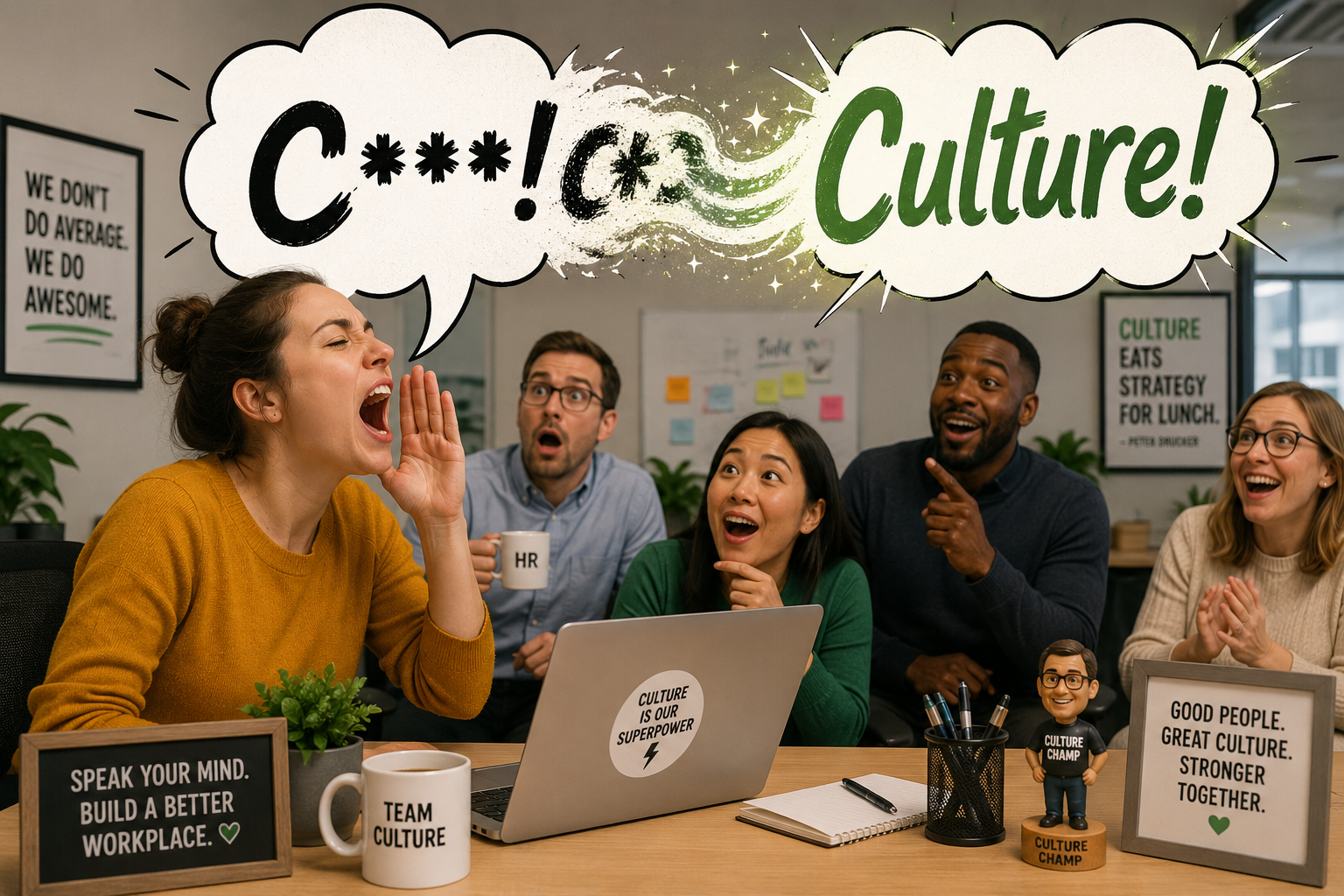
Have you watched the new Netflix movie, Office Romance? Here’s the plot: Jackie Cruz (Jennifer Lopez), the high-powered CEO of Air Cruz, fights an attraction (strictly against company policy) to her firm’s new British attorney, Daniel Blanchflower (Brett Goldstein of Ted Lasso fame).
Goldstein is hilarious navigating the gaps between English and American culture. One scene had me burst out laughing. He wishes a colleague a happy birthday using the c-word as a noun. In Britain, that word can be normal, even affectionate. In North America, not so much. This promptly lands him in HR.
Organizations have an aversion to a different c-word: CULTURE. Why?
Many boards and executives stay cautious about the word because it feels broad, hard to measure, and politically loaded, even when they care deeply about the issues underneath it.
A few reasons:
It sounds intangible. Boards govern through metrics, risk, incentives, and outcomes. “Culture” is vague next to revenue, operating margin, turnover, or compliance.
It feels soft. The term can imply workshops, slogans, and values posters rather than hiring standards, accountability, and execution.
It implies accountability. When you say, “we have a culture problem,” uncomfortable questions follow. Who created it? Who tolerated it? What changes at the top?
It carries legal and reputational risk. For public and regulated companies, statements about ethics, inclusion, or leadership behavior can attract scrutiny from investors, regulators, employees, and media.
Therefore, executives reach for language that sounds more actionable: operating model, ways of working, leadership behaviors, decision quality, employee experience, talent strategy, risk culture, organizational health.
They’ve watched culture efforts fail. Plenty of programs produced little visible change, which makes leaders skeptical of the label even while they keep investing in behavior change.
Increasingly, boards are treating culture as a governance topic, not narrowly an HR one. Instead of debating the word, they ask sharper questions. Are people escalating bad news? Are incentives driving the right behaviors? Do teams collaborate across silos? Is turnover concentrated in certain groups? Are leaders developing successors?
Here’s the irony. Avoiding the word does not avoid the issue. In most organizations culture is discussed constantly, just under names like execution, trust, accountability, incentives, ethics, innovation, and operating discipline.
Our Culture10 framework and leadership approach take the ambiguity out of culture. We help organizations create more value, reduce risk, and increase adaptability. And stay tuned for a platform in development to advance organizational culture much like ERPs, CRMs, HRIS and more. This is the next-gen approach.
Embrace this c-word.
Think Big, Start Small, Act Now,
- Lorne
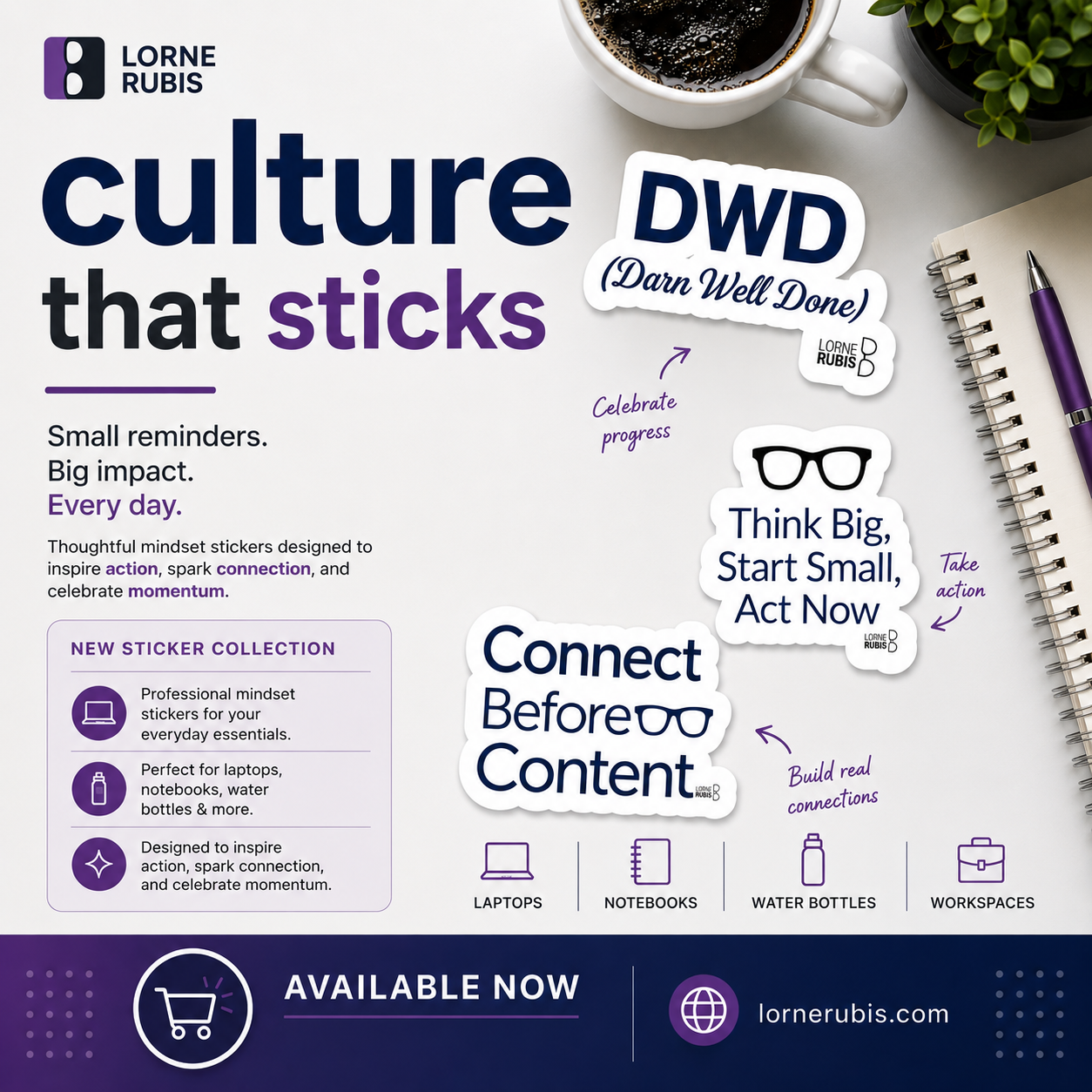
P.S. Have you had a chance to check out our stickers? Attach culture to your favorite AI device, or a water bottle when you’re outside giving your screens a rest.
You can get all three stickers in a 3-pack, or individually (Also, free shipping)!
Garrett’s View: Trust and internal communication are going to become the most valuable human currencies as AI efficiency will be utilized for almost everything else. Call it culture, call it whatever you want, but emphasizing it as an operating system while scaling AI is what winning organizations will need to do.
- Garrett
AI Response: Deloitte's 2026 Global Human Capital Trends found that AI is actively blurring authorship and eroding organizational confidence, yet few organizations are making meaningful progress to address it — precisely because they're debating the language instead of the issue. Gartner research shows that organizations building trust through transparent practices and meaningful human oversight are earning both employee confidence and customer loyalty, which maps directly to what Lorne is arguing: the underlying culture questions don't disappear just because you call them something else. And the governance angle holds up too — the World Economic Forum now explicitly calls for clear communication about where AI is used, what decisions it informs, and how data is governed, with human oversight maintained for high-stakes decisions — which is essentially a culture framework whether boards call it that or not.
Search Blog Posts:
Categories
Month
- September 2026
- August 2026
- July 2026
- June 2026
- May 2026
- April 2026
- March 2026
- February 2026
- January 2026
- December 2025
- November 2025
- October 2025
- September 2025
- August 2025
- July 2025
- June 2025
- May 2025
- April 2025
- March 2025
- February 2025
- January 2025
- December 2024
- November 2024
- October 2024
- September 2024
- August 2024
- July 2024
- June 2024
- May 2024
- April 2024
- March 2024
- February 2024
- January 2024
- December 2023
- November 2023
- October 2023
- September 2023
- August 2023
- July 2023
- June 2023
- May 2023
- April 2023
- March 2023
- February 2023
- January 2023
- December 2022
- November 2022
- October 2022
- September 2022
- August 2022
- July 2022
- June 2022
- May 2022
- April 2022
- March 2022
- February 2022
- January 2022
- December 2021
- November 2021
- October 2021
- September 2021
- August 2021
- July 2021
- June 2021
- May 2021
- April 2021
- March 2021
- February 2021
- January 2021
- December 2020
- November 2020
- October 2020
- September 2020
- August 2020
- July 2020
- June 2020
- May 2020
- April 2020
- March 2020
- February 2020
- January 2020
- December 2019
- November 2019
- October 2019
- September 2019